>>

Learn how to make soft, sweet, deeply flavored caramelized onions that transform simple meals into memorable dishes. Perfect for sandwiches, pizzas, and more.
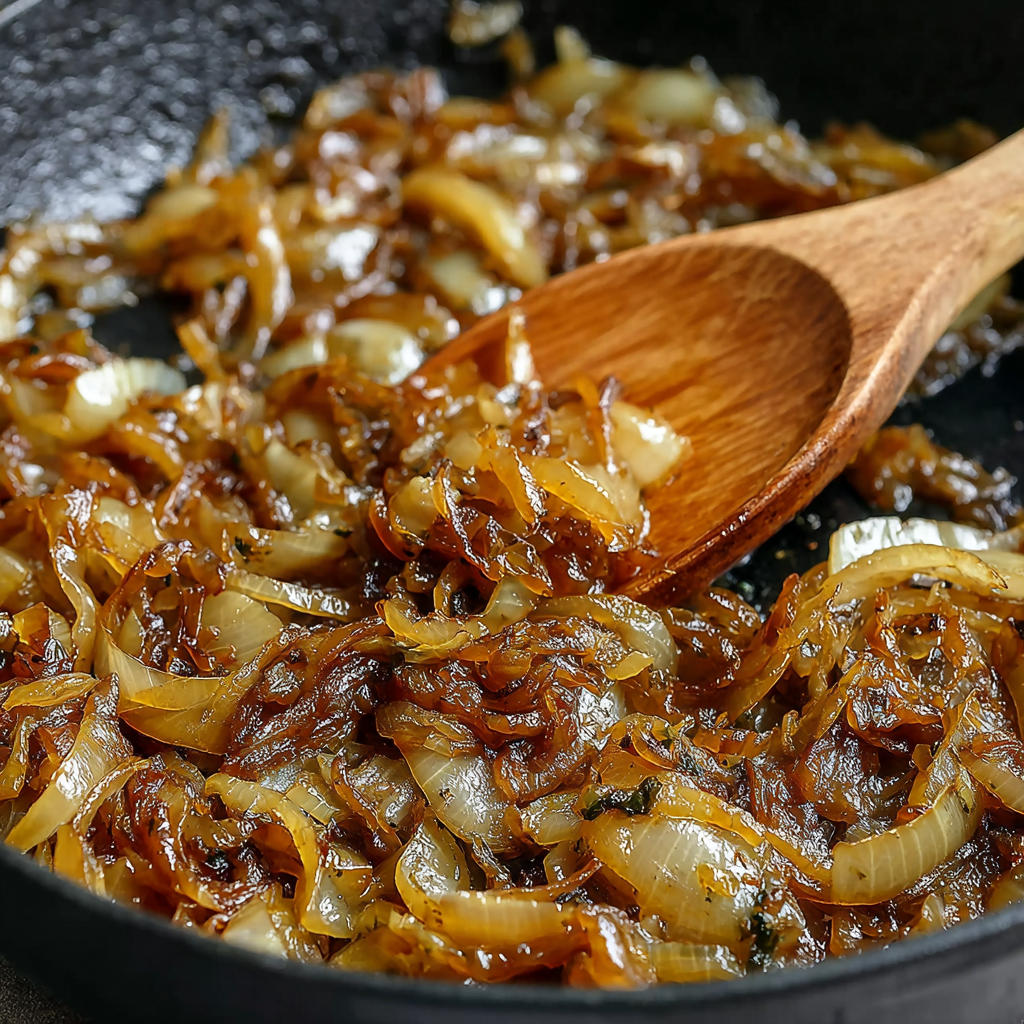
This recipe is my go to for turning humble onions into something deeply flavorful and versatile. I first learned the slow caramelization technique on a rainy afternoon when I needed to stretch pantry staples into a dish that felt celebratory. The process is simple but requires patience, and the payoff is a soft, jammy onion with a sweet, nutty backbone that elevates everything from toasted bread to roasted meats. The aroma as they slowly brown always draws people into the kitchen and makes mealtime feel like an event.
I discovered a few small adjustments over time that reliably produce consistent results. Using a mix of extra virgin olive oil and a bit of unsalted butter gives a rounded mouthfeel and helps develop that deep color without burning. Salting early draws moisture out which speeds the softening, and periodic deglazing with a splash of water or broth is the trick that keeps the fond from burning while adding complexity. Whether you are topping burgers, stirring into mashed potatoes, or folding into a grain bowl, these onions add a luxurious note.
In my kitchen these onions became a quick favorite because they turn ordinary dinners into something everyone notices. Family members who normally skip vegetables will find themselves spooning these on top of their plates and asking for more which is the real reason I make them on repeat.
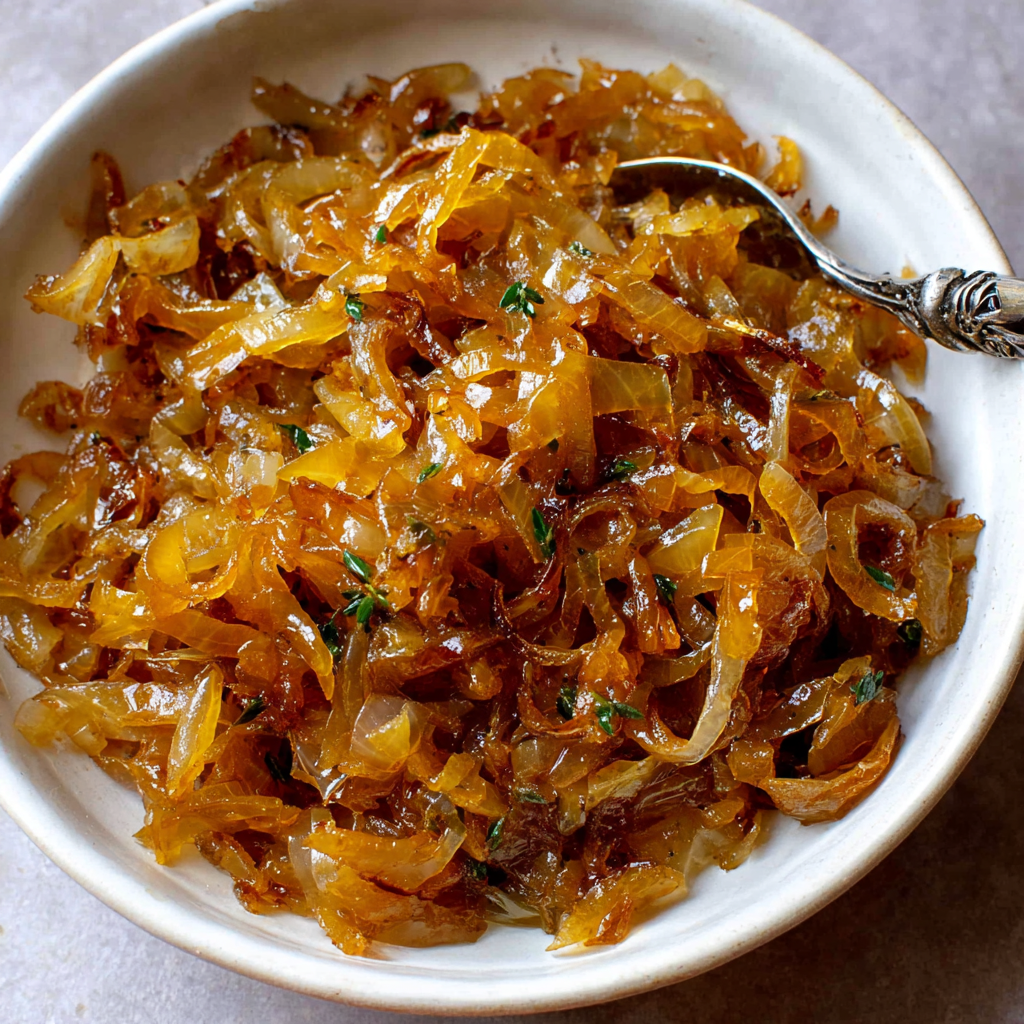
My favorite aspect of this technique is how forgiving it is once you learn the rhythm of stirring and deglazing. On busy evenings I start a batch while I prepare other parts of the meal. The slow brown sugar like note that the onions develop transforms simple sandwiches into something you reach for again and again. Family members remember the smell and often come back for seconds which makes the extra time spent worthwhile.
Store cooled caramelized onions in an airtight container in the refrigerator for up to five days. Use glass jars or rigid plastic tubs with tight lids to maintain flavor and prevent cross contamination. For longer storage freeze in single serving portions using silicone molds or freezer safe bags with most air pressed out. Thaw overnight in the refrigerator and reheat gently in a skillet over low heat adding a teaspoon of water if needed to loosen. Quality indicators are a glossy appearance and a sweet, jam like aroma.
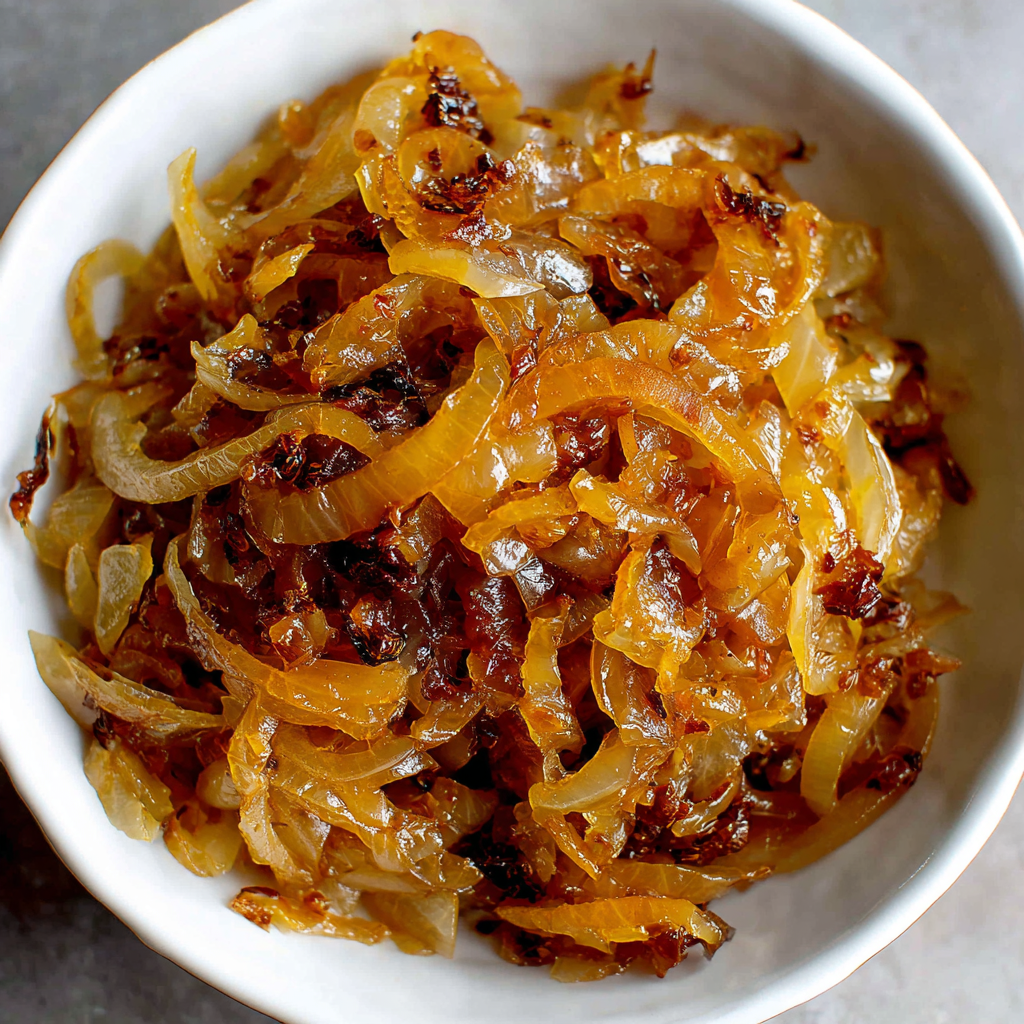
If you prefer to avoid butter use an extra tablespoon of olive oil or a neutral oil like grapeseed to maintain fat content. For a deeper savory note add one teaspoon of soy sauce or tamari when deglazing instead of broth. Use red onions for a sweeter floral finish and white onions for a cleaner onion flavor. If you need less fat try dry cooking in a nonstick pan while stirring more frequently but expect shorter shelf life. For a touch of sweetness add one teaspoon of maple syrup or brown sugar near the end for a candied finish.
Spoon over grilled burgers, mix into mashed potatoes, fold into warm goat cheese on crostini or stir into cooked pasta with a splash of olive oil and grated Parmesan. They are brilliant atop roasted vegetables and pair well with roasted meats or plant based proteins. Garnish with chopped fresh thyme or chives for color. For seasonal serving present them alongside roasted squash and a drizzle of balsamic reduction for contrast.
Slow caramelizing builds on a long tradition of coaxing sweetness from alliums across cuisines. In French cooking this technique forms the base for classic preparations and sauces. Many Mediterranean dishes rely on long cooked onions for depth while South Asian kitchens develop sweetness alongside spices. The technique is universal and appears in variations around the world as a foundational method for developing umami and sweetness from simple ingredients.
In winter pair caramelized onions with roasted root vegetables and braised greens for cozy flavors. In summer use sweeter onion varieties and finish with a splash of white wine or citrus to brighten the profile. During the holidays add dried cranberries or a spoonful of grainy mustard for a festive accompaniment to roasted meats and terrines. Small changes in finishing liquids and fresh herbs will tune the onions to the season.
Make a large batch at the start of the week and portion into 1 cup containers so you have a quick flavor boost on demand. Reheat gently in a skillet with a teaspoon of water to revive softness. Use frozen portions directly from the freezer in soups and stews while still frozen and allow extra cooking time. Label containers with date and use the oldest first to ensure freshness.
These caramelized onions are a small investment of time that rewards you with many meals enhanced by complex sweet and savory notes. They make weeknight dinners feel special and are easy to customize so they become a staple you return to often.
Use a heavy bottom skillet such as stainless steel or cast iron for even heat distribution.
Salt the onions early to draw out moisture and promote even softening.
Deglaze the pan with a tablespoon of water or broth when brown bits appear to prevent burning and add depth.
Cook over medium low heat and resist the urge to raise the temperature to speed things up.
This nourishing caramelized onions recipe is sure to be a staple in your kitchen. Enjoy every moist, high protein slice — it is perfect for breakfast or as a wholesome snack any time.
This Caramelized Onions recipe makes perfectly juicy, tender, and flavorful steak every time! Serve with potatoes and a side salad for an unforgettable dinner in under 30 minutes.
Place a large heavy skillet over medium heat and add two tablespoons of extra virgin olive oil and one tablespoon of unsalted butter. Heat until the oil shimmers and the butter has melted but is not smoking.
Toss the sliced onions into the pan and stir to coat. Spread them into an even layer across the surface and sprinkle one half teaspoon of kosher salt to draw out moisture.
Lower the heat to medium low and cook, stirring every five to ten minutes. Allow the onions to sit between stirs so they brown progressively rather than quickly.
When brown bits form on the pan add one tablespoon of water or broth and scrape gently to lift the fond. Repeat this splash technique as necessary to prevent sticking and deepen flavor.
Continue cooking for a total of fifty to seventy minutes until the onions are deep golden and jam like. Cool and refrigerate in an airtight container for up to five days or freeze portions.
Last Step: Please leave a rating and comment letting us know how you liked this recipe! This helps our business to thrive and continue providing free, high-quality recipes for you.
Leave a comment & rating below or tag
@feastara on social media!
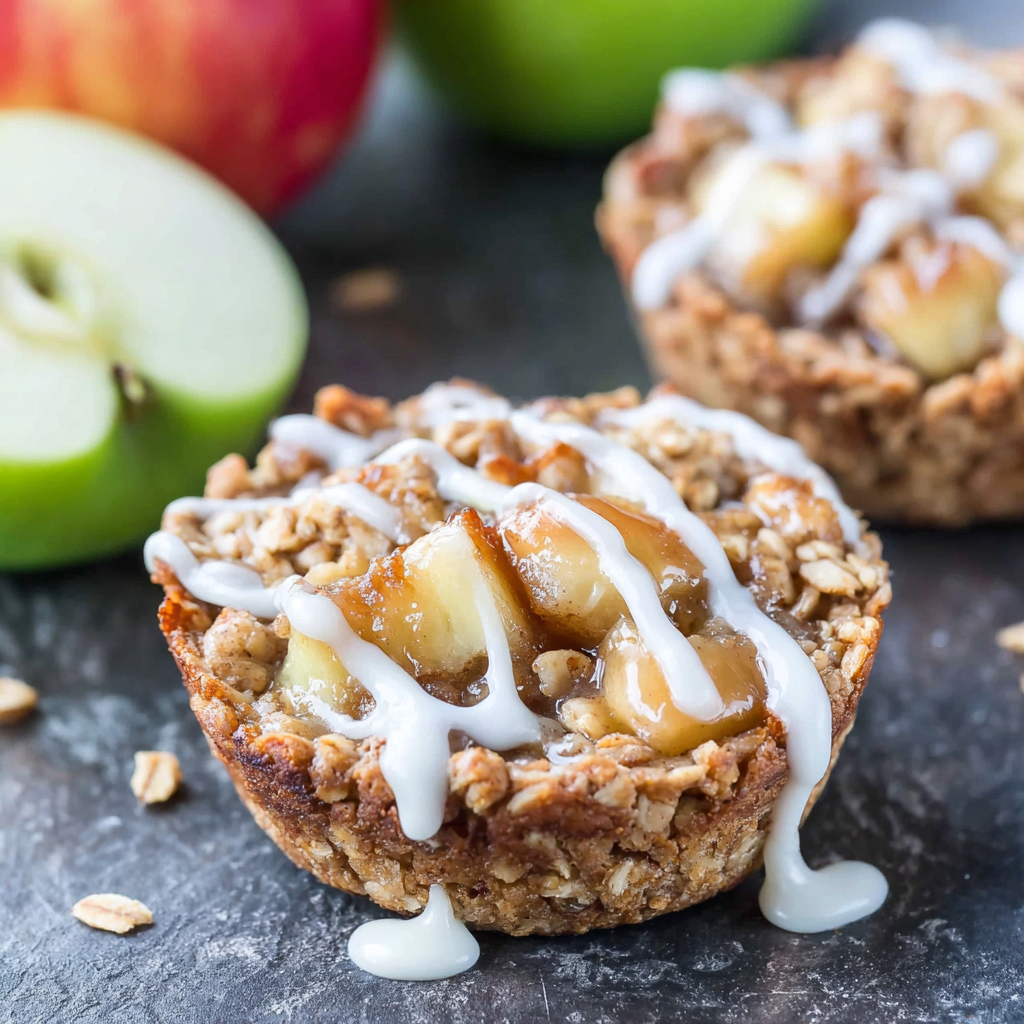
Buttery oatmeal cookie cups filled with warm, cinnamon-spiced apple pie filling and a sweet glaze for cozy, handheld comfort.
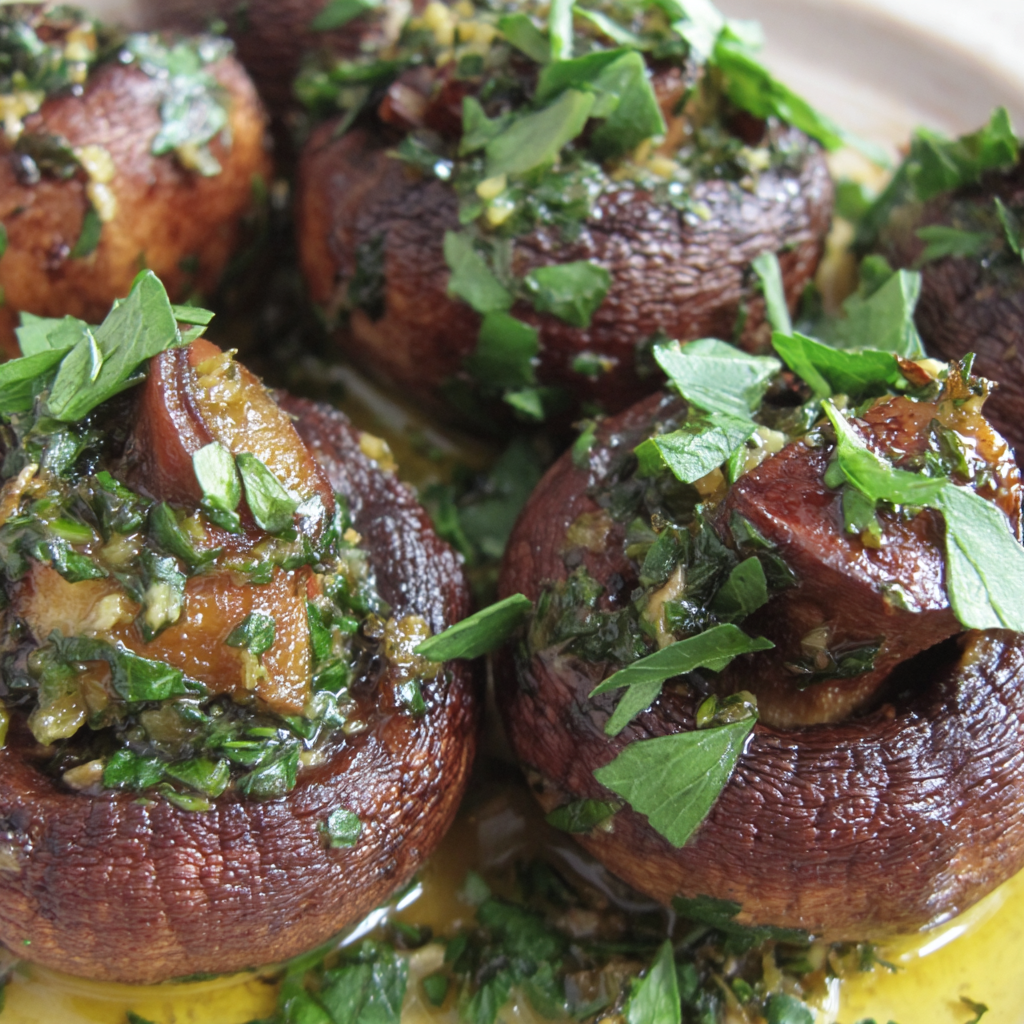
Tender mushroom caps filled with garlicky Provençal herbs, bright lemon, and olive oil. A cozy, elegant AIP-friendly appetizer ready in under an hour.
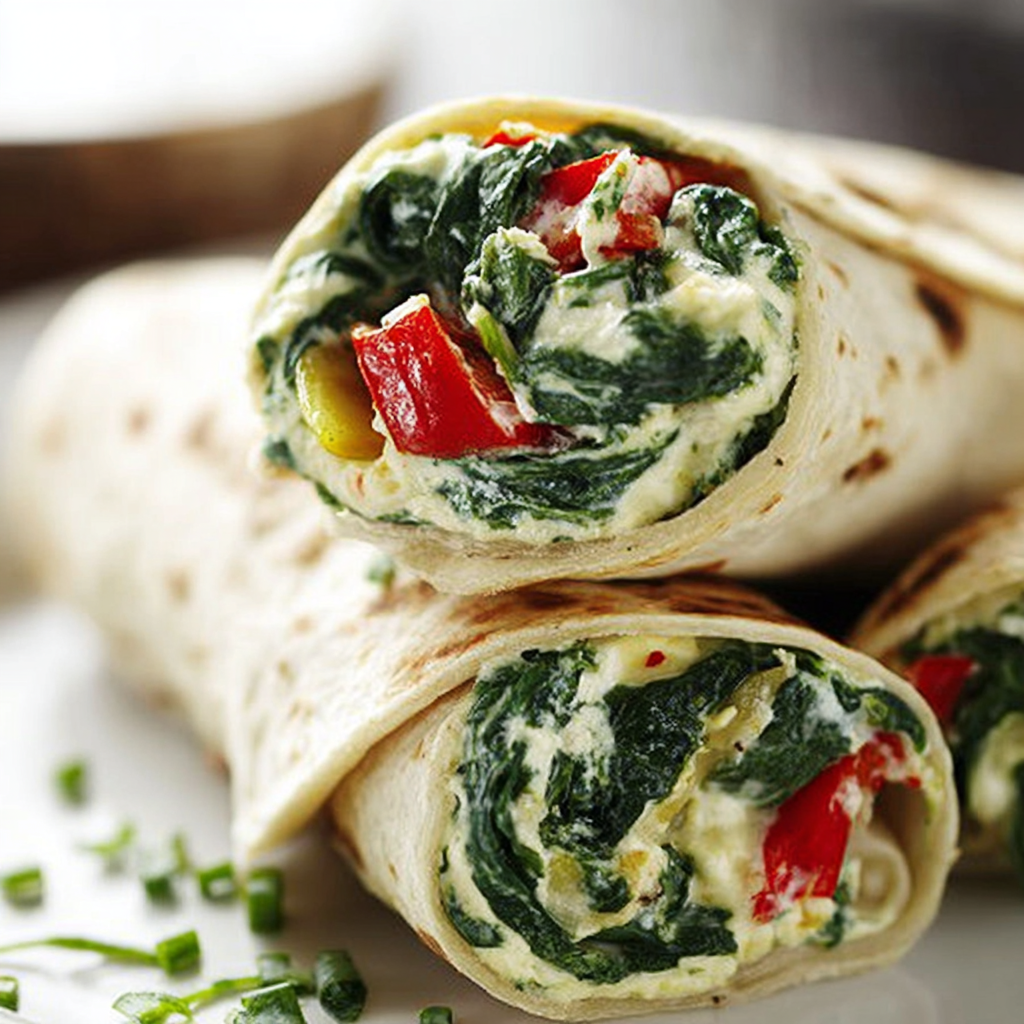
Creamy spinach, peppers, and tangy feta tucked in warm tortillas, baked golden for an easy make-ahead lunch or freezer-friendly snack.
Leave a comment & rating below or tag @feastara on social media!
Enjoyed this recipe? Share it with friends and family, and don't forget to leave a review!
This recipe looks amazing! Can't wait to try it.
Comments are stored locally in your browser. Server comments are displayed alongside your local comments.

Join to receive our email series which contains a round-up of some of our quick and easy family favorite recipes.