>>

A classic Cuban roasted pork with a bright citrus-herb marinade that creates an irresistible crust and tender, juicy interior. Simple prep, big flavor—perfect for gatherings.
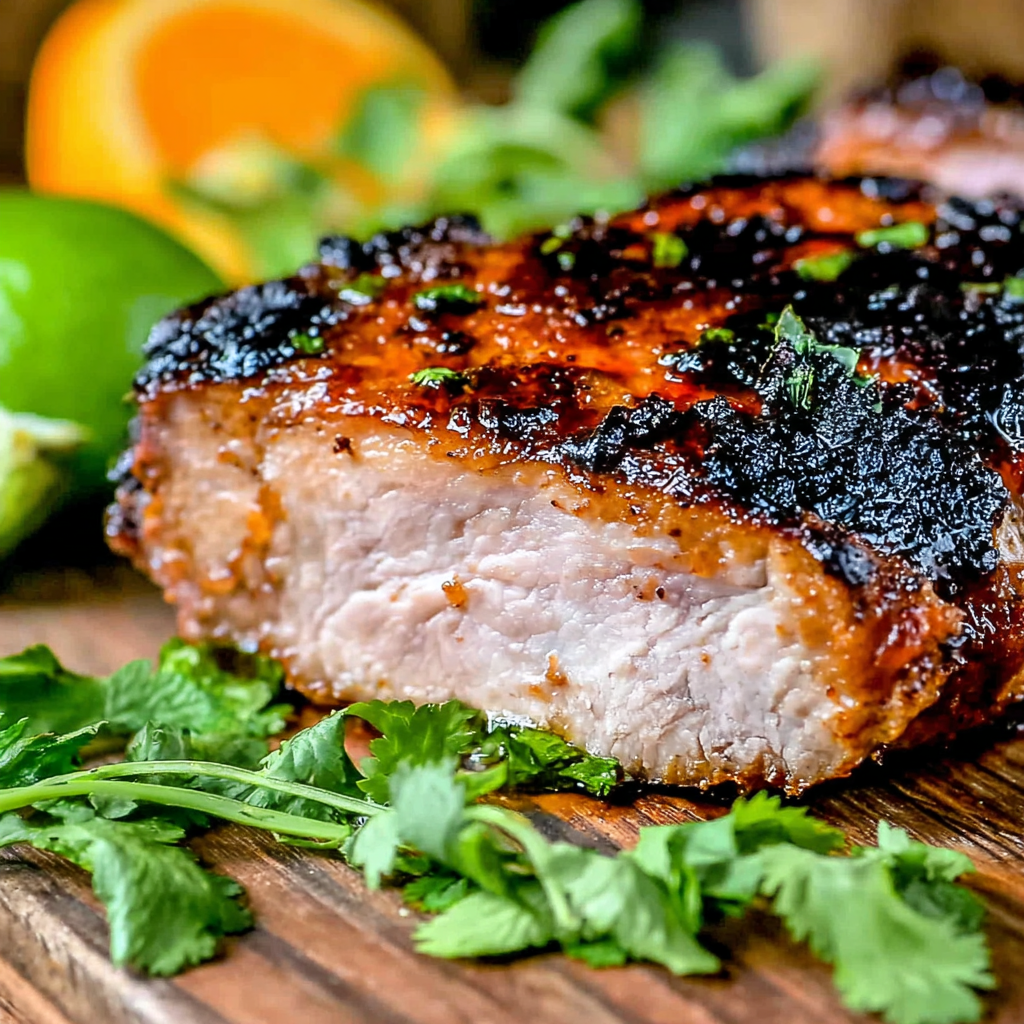
This Cuban mojo pork has been one of those discovery dishes that instantly became a staple in my rotation. I first tasted a version of this while visiting a friend who grew up in Miami; the kitchen was filled with the tang of oranges and lime, the heady punch of garlic, and the herbaceous whisper of cilantro and mint. The meat was tender enough to pull apart with a fork and had a deeply caramelized crust that crackled when sliced. Ever since, I’ve chased that precise balance of bright citrus, warm cumin, and garlicky depth at home.
What makes this roast special is its elegant simplicity: an overnight marinade transforms an economical cut of pork shoulder into something celebratory. The marinade penetrates deeply, breaking down collagen during the slow roast and building flavor while the exterior crisps. I learned to respect resting time with this recipe; cutting too soon steals the juices. This version is the one I served at a backyard dinner that had three generations asking for seconds and taking home leftovers. It’s robust, approachable, and reliably impressive.
I remember the first time I roasted this for a holiday—everyone lingered at the table long after the plates were cleared, savoring the last bites and debating the best way to reheat leftovers. My partner still raves about the crust, and our picky nephew surprised us by piling his plate high. This recipe manages to be both humble and showy, and that combination is why I keep coming back to it.

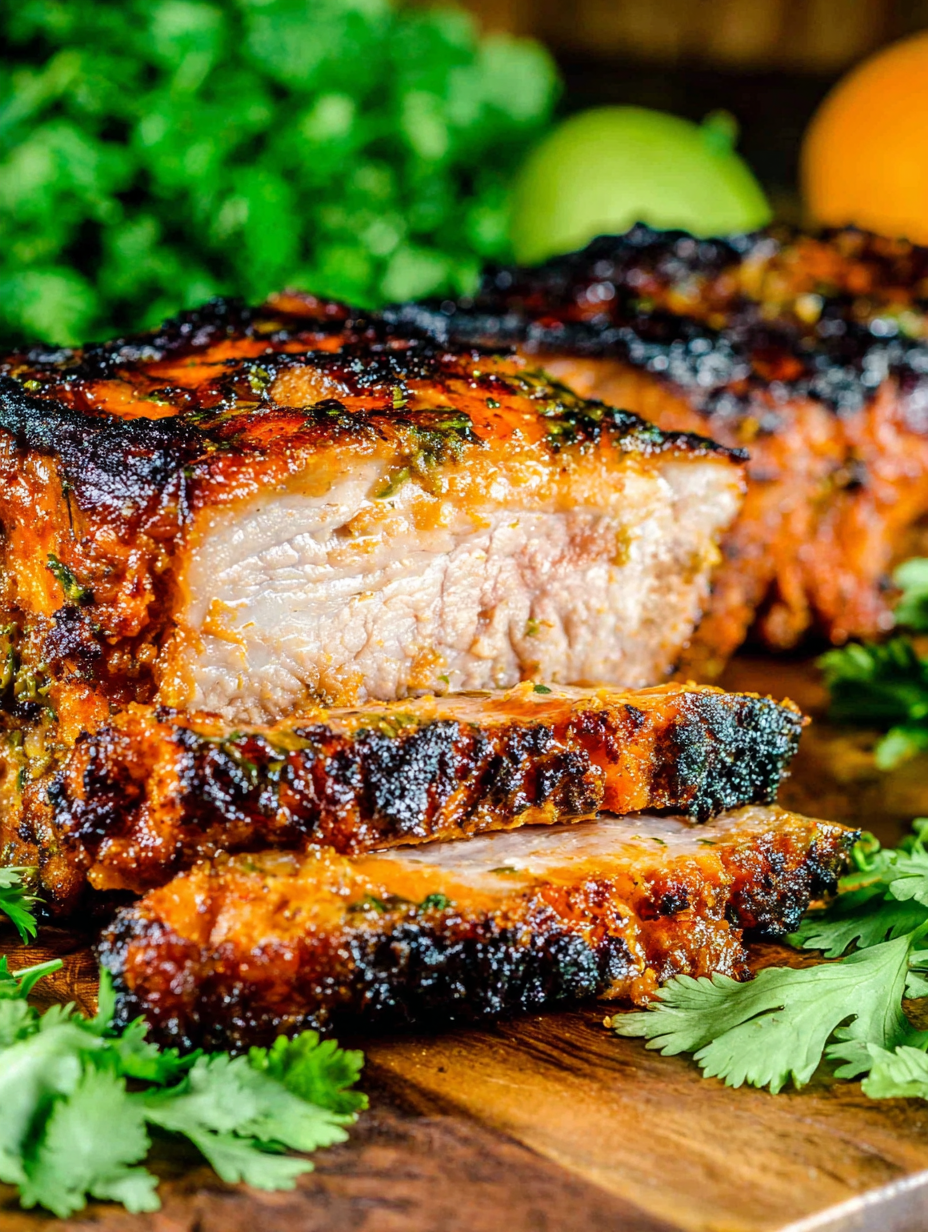
My favorite thing about this roast is the contrast between the caramelized crust and the tender interior—each slice offers a little crunch followed by molten, juicy meat. When I serve it, I often hear comments about the bright citrus notes and how the herbs lift what would otherwise be a heavy, winter-style roast. It’s the kind of dish that feels both rustic and refined.
Allow the roast to cool to room temperature before refrigerating to maintain texture—no more than two hours at room temp. Store in an airtight container with a tight-fitting lid, or wrap tightly in plastic wrap and foil to avoid odor transfer. Refrigerated leftovers are best within 3–4 days. For freezing, slice or shred and place in freezer-safe containers or heavy-duty bags with as much air removed as possible; these will remain high quality for up to 3 months. Reheat gently in a low oven (275–300°F) covered with foil to preserve moisture, or warm in a skillet with a splash of orange juice to revive the mojo flavors.
If cilantro isn’t your thing, substitute flat-leaf parsley for a milder herbaceous note and increase the mint slightly to maintain brightness. When oranges are out of season, tangerine or blood orange juice can add interesting floral notes—adjust sugar a touch if very sweet. For a lower-acid approach, reduce lime by half and add a tablespoon of white wine vinegar. If pork shoulder isn’t available, pork butt works similarly; avoid lean cuts like loin since they can dry out during the long roast. For a smoky twist, add 1 teaspoon smoked paprika to the marinade.
Serve slices over a bed of fluffy white rice or Cuban-style black beans for a classic pairing. For a lighter plate, pair with a bright cabbage slaw dressed in lime and olive oil. Leftovers make excellent tortas or are fantastic in tacos with pickled red onions and a spoonful of the roasted pan juices reduced into a sauce. Garnish with extra chopped cilantro and a few orange segments to echo the marinade. This roast is festive enough for gatherings but approachable enough for weeknight meals when you want something comforting and bold.
The mojo used here is rooted in Cuban home cooking, where citrus-based marinades are common for pork and fish. Traditional mojo often blends sour orange (naranja agria), garlic, and oregano; in the absence of sour orange the combination of sweet orange and lime closely replicates the profile. Roasted pork is central to many Cuban celebrations—lechón asado is a holiday staple—and mojo provides a balance of acidity, garlic, and herbs that both preserves and brightens the meat. The technique highlights simple, fresh ingredients rather than complex seasoning blends.
In summer, up the mint and add a splash of pineapple juice for tropical sweetness that complements outdoor grilling. During winter, use blood oranges and consider finishing the roast with a light glaze of reduced orange juice and honey for depth. For holiday meals, add a few bay leaves to the roasting pan and serve with roasted root vegetables that can cook alongside the meat. The recipe scales well for large gatherings—double the marinade and roast multiple shoulders on separate racks.
Plan ahead by marinating the pork the night before you intend to roast; this frees the morning for other tasks. Slice the chilled roast thinly and portion into meal-sized containers for grab-and-go lunches. For quicker reheating, portion into shallow containers so food warms evenly. If you want ready-to-assemble bowls, pack rice, beans, shredded pork, and a small container of reserved mojo (boiled for safety) for an easy midday meal. Label containers with dates—frozen portions should be used within three months for best flavor.
Make this recipe your own by adjusting herbs and citrus to taste. Whether you’re feeding a crowd or making dinner for two, the balance of bright acid, savory garlic, and crisped exterior makes this a go-to roast that brings friends and family together. Enjoy the process and the delicious results.
Use an instant-read thermometer and remove the pork at 160°F, then rest for 20 minutes to reach ideal juiciness.
Discard any marinade that touched raw pork; if you want to use it as a sauce, reserve some before adding raw meat and boil it for safety.
Allow the roast to come slightly toward room temperature before roasting for even cooking; 20–30 minutes out of the fridge is sufficient.
For deeper flavor, toast and grind cumin seeds before adding them to the marinade.
This nourishing cuban mojo pork recipe is sure to be a staple in your kitchen. Enjoy every moist, high protein slice — it is perfect for breakfast or as a wholesome snack any time.
Yes. You can marinate up to 24 hours; beyond that the citrus acids can start to change the meat's texture.
Resting 20 minutes allows internal juices to redistribute; if you cut immediately, you’ll lose moisture.
This Cuban Mojo Pork recipe makes perfectly juicy, tender, and flavorful steak every time! Serve with potatoes and a side salad for an unforgettable dinner in under 30 minutes.
Combine orange juice, cilantro, mint, and smashed garlic in a food processor; pulse until finely chopped. Stir in olive oil, orange zest, lime juice, oregano, and cumin to form the marinade. If no processor, finely chop herbs and garlic and whisk with liquids until well emulsified.
Place pork in a large zip-top bag or container, add the marinade, massage to coat thoroughly, remove excess air, and refrigerate at least 4 hours or overnight for best results.
Take the pork from the fridge while oven preheats to 425°F. Position a wire rack over a rimmed baking sheet to encourage even browning. Discard excess marinade before roasting to avoid steaming the meat.
Season the pork generously with kosher salt and pepper and roast at 425°F for 30 minutes until the exterior starts to brown and develop a crust.
Reduce oven temperature to 375°F and roast an additional 1 hour 20–30 minutes, or until an instant-read thermometer reads 160°F in the thickest part of the shoulder.
Transfer the pork to a cutting board, tent with foil, and rest for at least 20 minutes. Carve against the grain into slices or shred for pulled preparations.
Last Step: Please leave a rating and comment letting us know how you liked this recipe! This helps our business to thrive and continue providing free, high-quality recipes for you.
Leave a comment & rating below or tag
@feastara on social media!
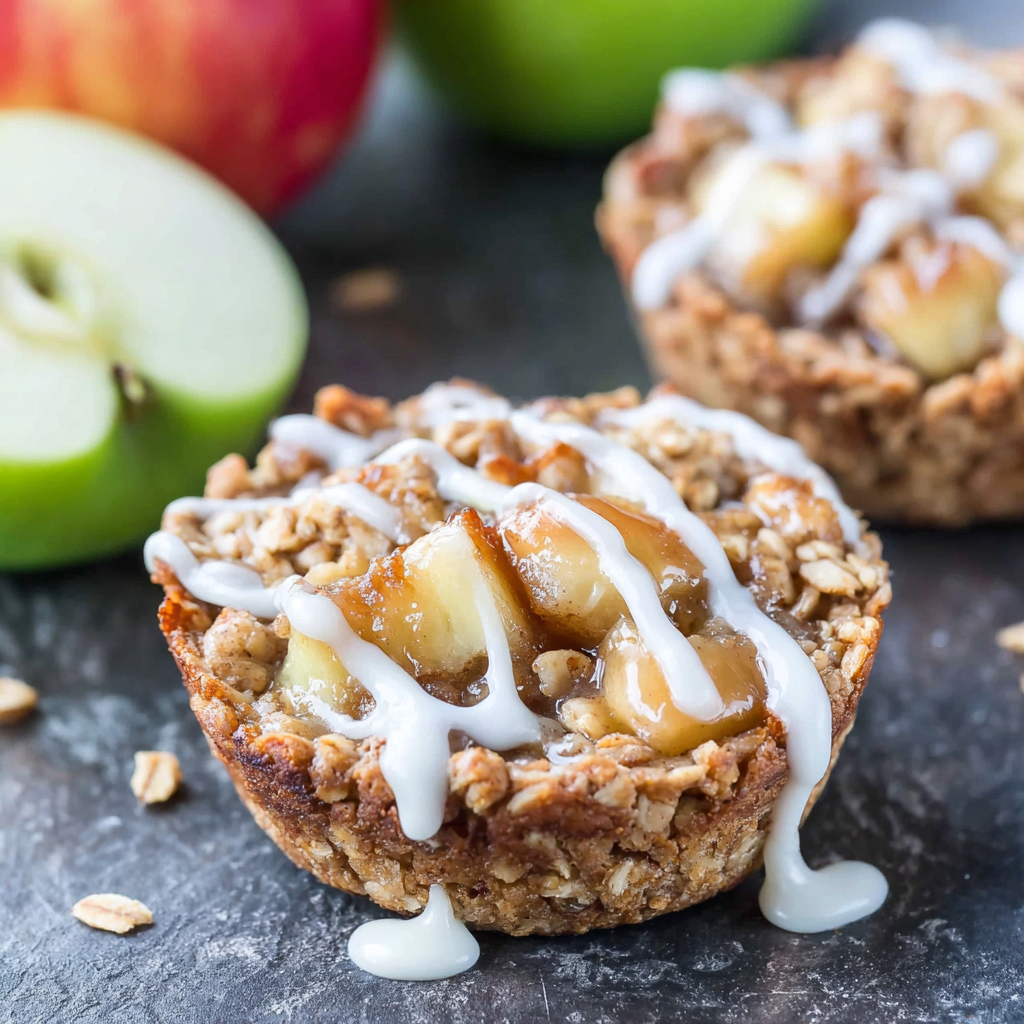
Buttery oatmeal cookie cups filled with warm, cinnamon-spiced apple pie filling and a sweet glaze for cozy, handheld comfort.
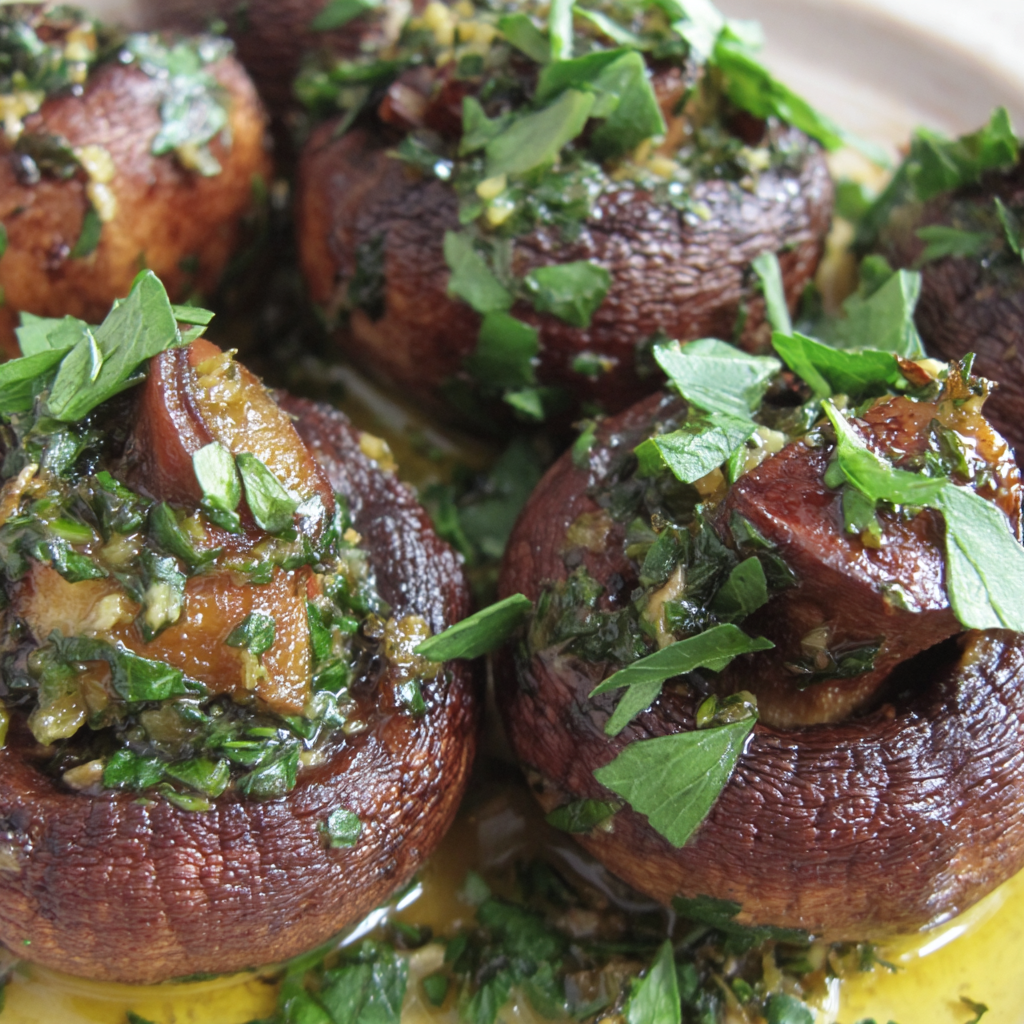
Tender mushroom caps filled with garlicky Provençal herbs, bright lemon, and olive oil. A cozy, elegant AIP-friendly appetizer ready in under an hour.
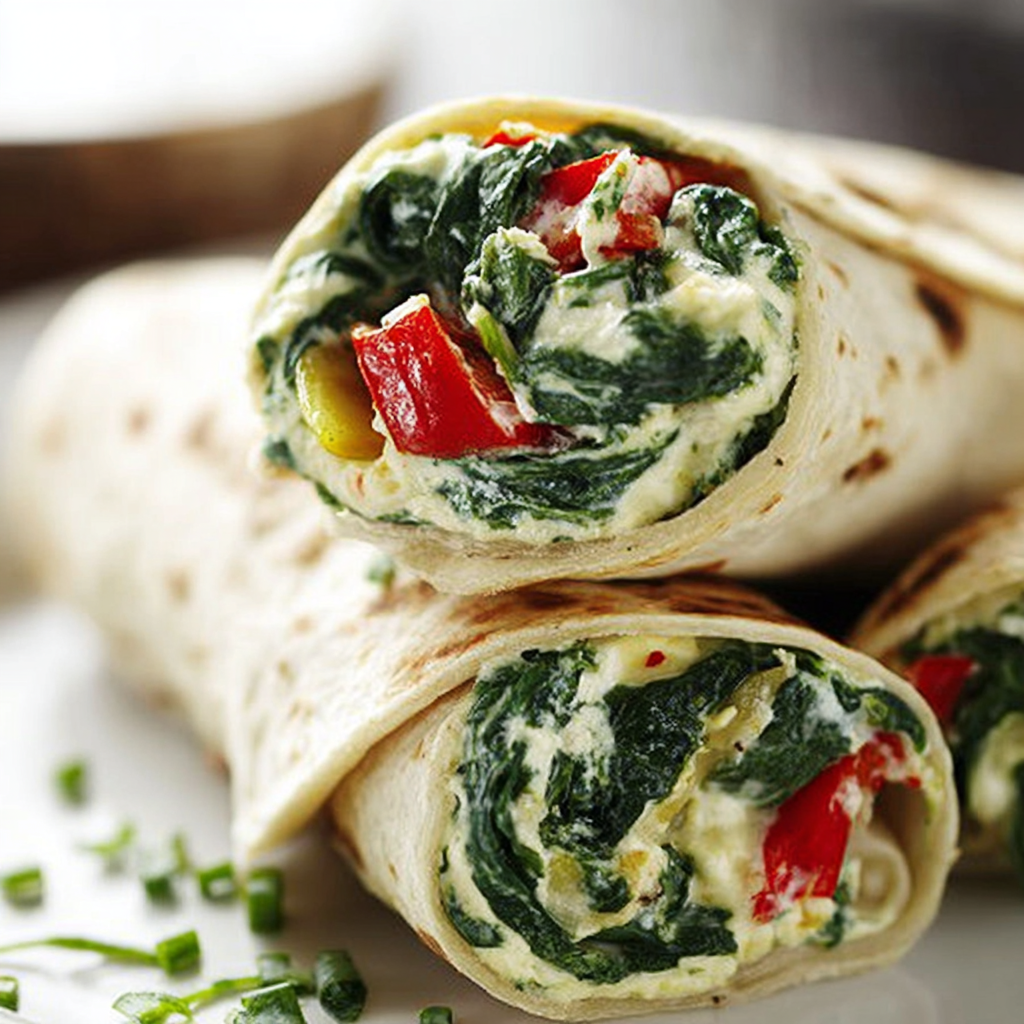
Creamy spinach, peppers, and tangy feta tucked in warm tortillas, baked golden for an easy make-ahead lunch or freezer-friendly snack.
Leave a comment & rating below or tag @feastara on social media!
Enjoyed this recipe? Share it with friends and family, and don't forget to leave a review!
This recipe looks amazing! Can't wait to try it.
Comments are stored locally in your browser. Server comments are displayed alongside your local comments.

Join to receive our email series which contains a round-up of some of our quick and easy family favorite recipes.